
Palazzo Ducale (Piazza San Marco 1, Venice) – this is the Doge (Duke of Venice)’s palace – the supreme authority of the Republic of Venice. Built in Venetian Gothic style in 1340, it is one of the museums administered by the Fondazione Musei Civici di Venezia. Exhibits range from Renaissance items to more modern […]

Museo Archeologico Regionale (Piazza Olivella 24, Palermo) – located in a former Renaissance-era monastery, this is one of the most important archaeological museums in Italy. The artifacts here reflect Sicily’s Ancient Greek and Roman past, as well as relics from Ancient Egypt and other periods. Some of the items displayed here were excavated at Selinunte […]

Museo Archeologico Nazionale (Piazza Museo Nazionale 19, Naples) – located at the northwest corner of the original Greek wall of the settlement known as Neapolis (which later became Naples), this museum has a large collection of Roman era artifacts from the towns of Pompeii, Herculaneum, and Stabiae. It also has artifacts from Ancient Greece & […]
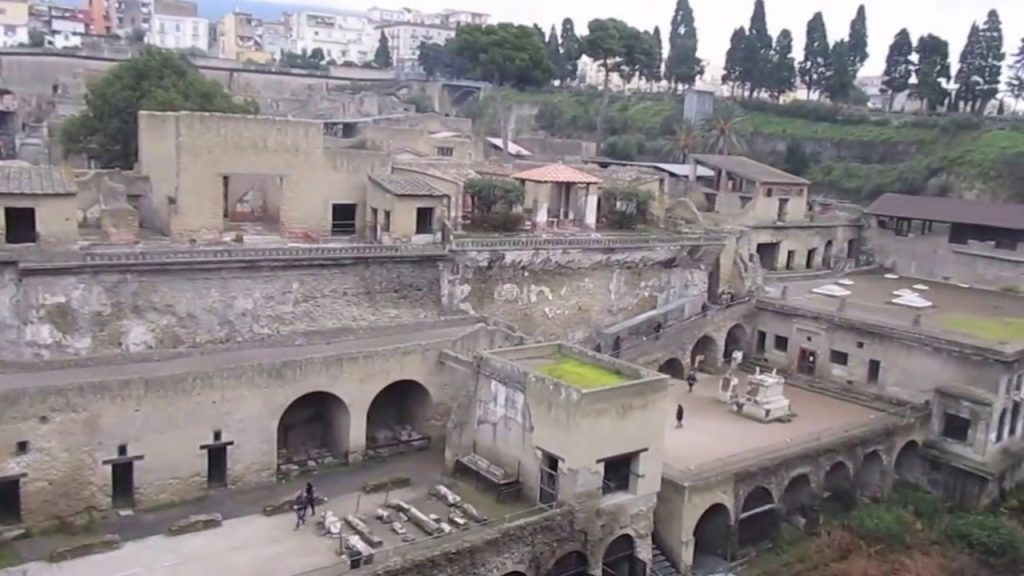
Herculaneum (Via Luigi Palmieri 173, Ercolano, province of Naples) – located just 17 minutes outsider of Naples (an 50 feet below the modern-day town of Ercolano), this Roman era site, along with Pompeii, were both destroyed by the volcanic mud stemming from the eruption of Mount Vesuvius in 79 AD. To sightseers, Herculaneum is more […]
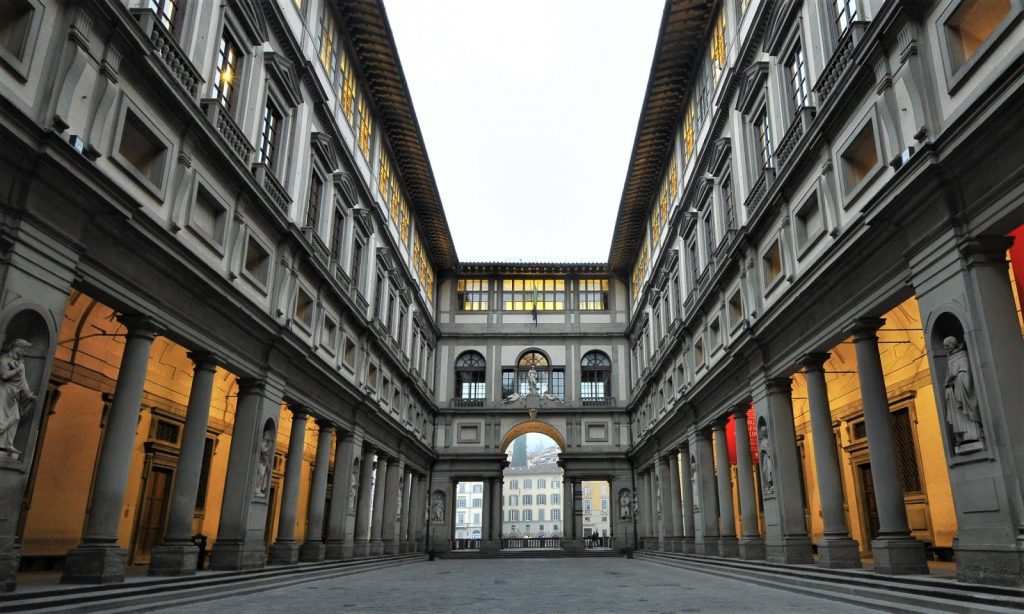
Gallerie degli Uffizi (Piazzale degli Uffizi 6, Florence) — this is one of the most famous museums of paintings and sculpture in the world. It contains a collection of Primitive and Renaissance painting, including works by Giotto, Simone Martini, Piero della Francesca, Fra Angelico, Filippo Lippi, Botticelli, Mantegna, Correggio, Leonardo da Vinci, Raphael, Michelangelo […]

Galleria dell’Accademia (Via Ricasoli 66, Florence) – tourists are attracted here mainly to see works of art such as Michelangelo’s David and Prisoners, Giambologna’s Rape of the Sabines, and Botticelli’s Madonna and Child and Madonna of the Sea. Visitors will see this and more Renaissance-period art works. Admission: €6.50 (general), €3.25 (reduced). Hours: Tuesdays through […]
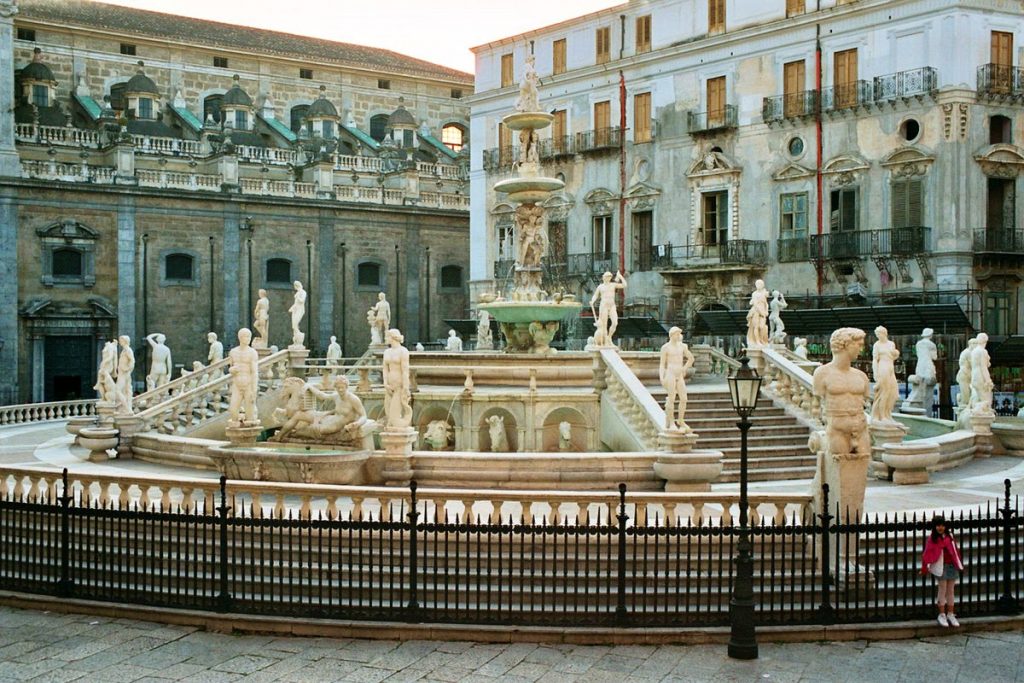
Fontana Pretoria (Piazza Pretoria, Palermo, Sicily) – this is Palermo’s most popular fountain (crafted by Florentine sculptor Francesco Camilliani in 1554 and 1555. A collection of statues can be found throughout this fountain. Interestingly, this became known as the Piazza della Vergogna (Piazza of Shame) because of the many nude statutes that surround this fountain. […]
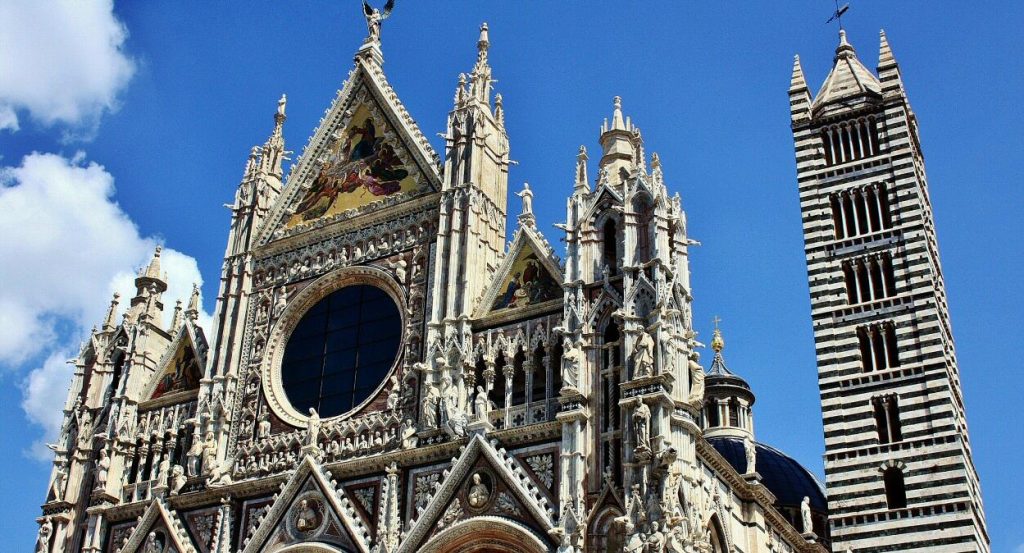
Duomo (Piazza del Duomo, Florence) – this cathedral, known as the Basilica di Santa Maria del Fiore, was completed in 1436, some decades before Columbus discovered the Americas. Architects marvel at this building since the construction of its cupola was considered a brilliant engineering feat at the time. The biggest artwork within the cathedral is […]
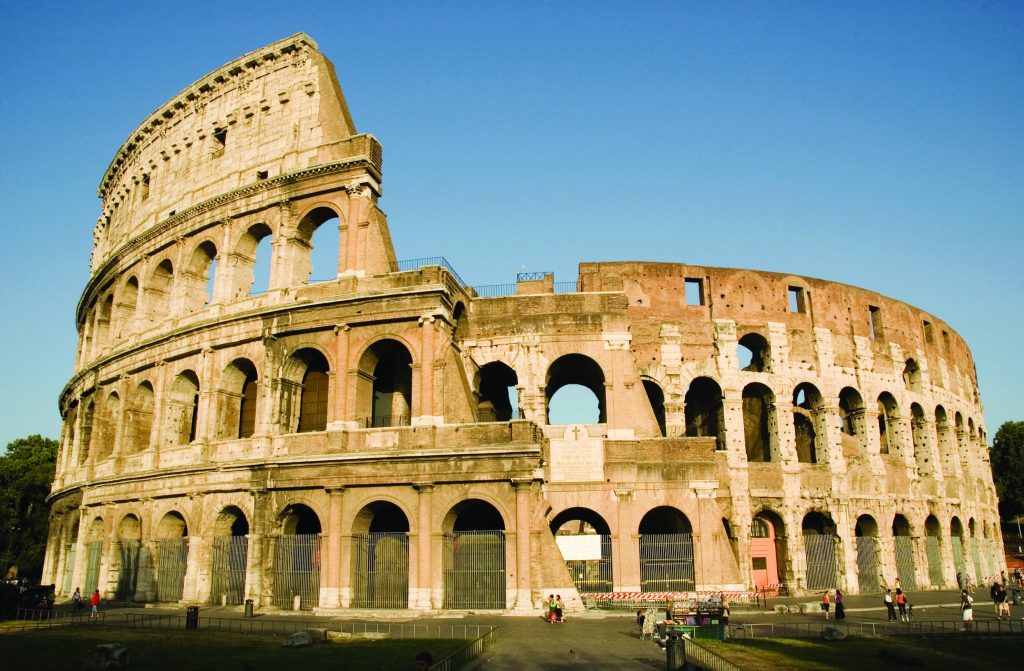
Colosseum (Piazza del Colosseo, Rome) – located just east of the Roman Forum, the Colosseum was inaugurated in 80 AD, this is the largest amphitheater in the world, and one of the greatest works of architecture and engineering from the Roman Empire. During its years of operation, the Colosseum had an estimated capacity of up […]
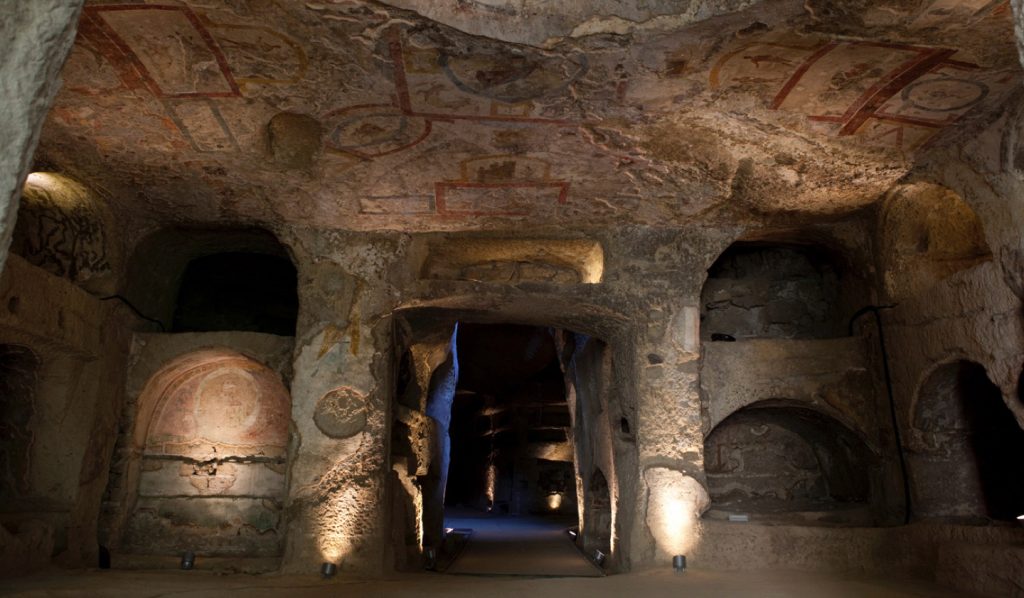
Catacombe di San Gennaro (Via Tondo di Capodimonte 13, Basilica del Buon Consiglio, Naples) – located in the northern part of Naples, this is the largest network of catacombs in southern Italy. These catacombs contain the remains of San Gennaro (the patron saint of Naples), and have been in use from the early days of […]